An Inclusive Land:
Designing an intervention to restore abandoned agricultural land through social and labour inclusion.
We supported the Gennargentu–Mandrolisai Mountain Community in designing a territorial initiative that combines the recovery of abandoned agricultural land with the social and labour inclusion of people in vulnerable situations, activating a community network together with local businesses to ensure the long-term management and sustainability of the actions.
Support for the design of an integrated initiative: social agriculture, funding acquisition, and local governance.
ClientGennargentu–Mandrolisai Mountain Community
Primary serviceDecision support
Related servicesTerritorial development
Period2025
BeneficiariesGennargentu–Mandrolisai Mountain Community area
Duration 6 month


Context and need.
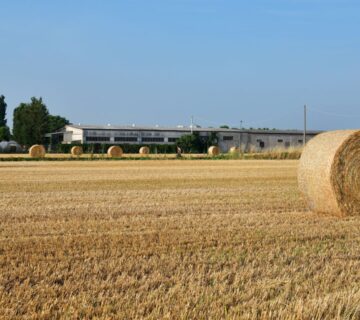
The territory holds a strong agricultural and landscape heritage - especially nuts, tree crops, viticulture, and livestock farming - yet it faces critical challenges linked to land abandonment, the risk of social exclusion, and the need for employment opportunities. The project was designed to turn a structural problem into a development pathway: bringing land back into production, safeguarding biodiversity, activating micro-economic initiatives, and strengthening local cohesion.
Objectives.
- Increase employment by restoring abandoned agricultural land through an innovative, network-based approach.
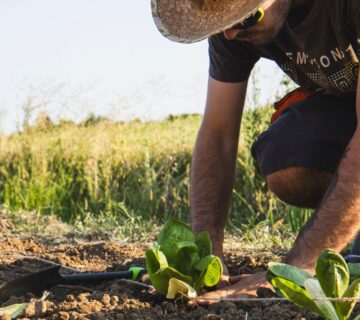
- Demonstrate that social farming can generate generative welfare: well-being, skills, and autonomy.
- Develop social farming interventions while protecting biodiversity and natural resources.
Working approach.
The process aimed to make the intervention decidable, feasible, and measurable. In particular:
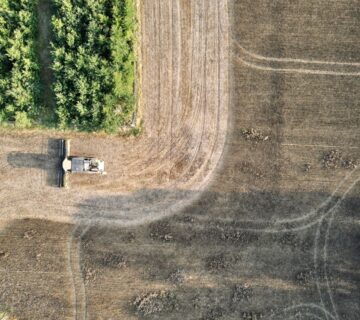
- Knowledge base: territorial, geo-pedological, and agro-climatic analysis of the identified areas to assess potential and constraints.
- Scenarios and options: definition of alternative restoration and productive-use pathways, with selection criteria and action priorities.
- Quantification: estimation of needs and required interventions, linking social and labour inclusion with long-term sustainability.
- Strategic coherence: integration of complementary territorial valorisation actions only where consistent with the overall design.
- Measurement: a set of indicators to monitor progress, results, and impacts over time.
Rurinnova's Role.
RURINNOVA supported the Mountain Community in an evidence-based design process, integrating analysis of territorial conditions (soils, climate, productive suitability) with alternative scenarios and quantitative estimates. The work made options comparable, clarified prerequisites and critical issues, and defined an operational framework for implementation: actions, priorities, selection criteria, and a monitoring system for socio-environmental results and impacts.
Results.
- An integrated intervention model where land restoration and inclusion are linked to realistic and verifiable productive choices.
- Transparent options and priorities through comparable scenarios, explicit criteria, and quantified needs.
- A governance reference framework with roles, responsibilities, and tools that strengthen continuity and implementation capacity.
Lessons learned and replicability.
- Social farming works best when connected to economically sustainable production processes, well-defined skills, and clear responsibilities.
- A community network is the key lever for day-to-day manageability and long-term sustainability beyond the design phase.
- Replicability increases when interventions start from a solid evidence base and clear prioritisation criteria.