AgriFuture:
a business-idea validation programme for the sustainability of the agri-food system.


Context and need.
In the agri-food sector, the ecological and digital transition requires innovations that work in real-world conditions. A good idea is not enough: usefulness, feasibility, and adoption must be tested in operational settings. This programme was designed to bridge that gap, supporting ideas that can help manage natural resources and waste more effectively, improve food quality and safety, and increase efficiency and resilience in contexts exposed to climate vulnerability.
Objectives.
- Select and support 10 ideas through progressive development stages, including field testing.
- Strengthen participants’ technical and transversal skills (innovation management, processes, budgeting, planning, and control).
- Build an evidence-based validation pathway: real feedback, field data, iterations, and continuous improvement.
Target group.
The programme targets university students, PhD candidates, early-career professionals and researchers, and potential university spin-off teams, including interdisciplinary backgrounds (agricultural and food sciences, engineering, computer science, biology, and social sciences).
Rurinnova's role.
How it works.
The programme is structured into integrated phases:
- Scouting and selection of the best proposals admitted to the pathway.
- A validation pathway (~12 months) including:
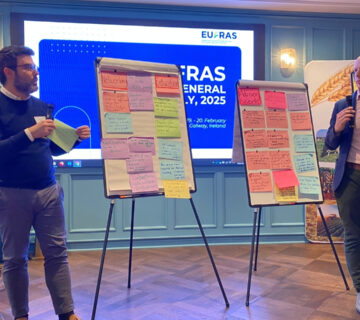
◦ 6 interactive workshops (56 hours total) based on a lab-style approach and active learning. - Specialist mentoring (20 hours) covering technical, managerial, economic, and legal aspects, with operational monitoring.
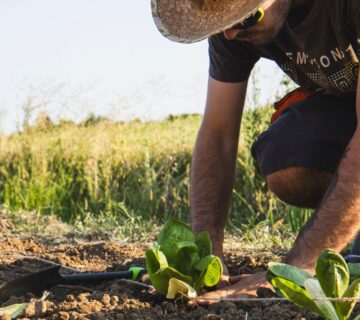
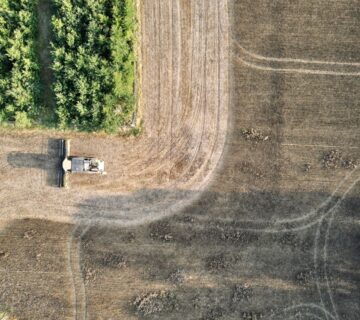
- Field testing: teams are matched with one or more agri-food businesses to test usefulness, usability, and applicability in real contexts.
- Results valorisation through a public presentation and a final validation report.
Methodology.
Results.
Lessons learned and replicability.
- In the agri-food sector, validation is most effective when carried out in real settings, with end users involved and data collected in the field.
- A sector-specific pathway improves proof-of-concept quality by integrating production constraints, territorial context, and adoption conditions.
- The combination of workshops, mentoring, and iterative testing makes the model replicable for new calls and challenges, while keeping the same core logic: need → test → evidence → decisions.