Agricultural Value Chains:
Specialist advisory services to strengthen competitivines and support the development of agricultural value chains
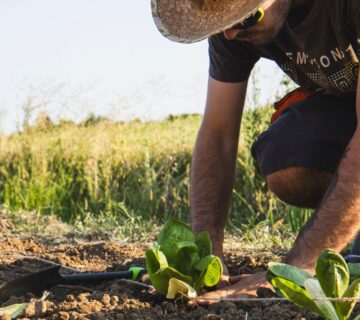
Within the framework of the Sardinia Rural Development Programme (RDP) 2014–2022, Sub-measure 2.1, Focus Area 3A, we developed a specialist advisory programme dedicated to agricultural value chains. The work combined needs assessment, on-farm visits, and planning and management control tools to support economic management, assess investments and explore opportunities associated with short supply chains, with particular attention to occupational health and safety, hygiene requirements and the diversification of farm activities.
Advisory services and management tools to strengthen farm business and develop short supply chains.


Context and need.
Farm businesses need to strengthen their position within the value chain, align production with market demand and assess opportunities for diversification. Developing short supply chains requires economic expertise, knowledge of regulatory requirements and the ability to plan investments. The project addresses these needs through tailored support that links production decisions with financial risk management and opportunities available within the local area.
Objectives.
Increase the competitiveness of primary producers by supporting their integration into value chains and stronger market orientation.
Promote the development of short supply chains and diversification, building on the opportunities and needs of the local area.
Support investment assessment through analyses of costs, benefits, liquidity and the financial sustainability of the available options.
- Explore occupational health and safety and hygiene requirements, linking regulatory obligations with practical management options.
Working approach.
The programme combined direct dialogue, on-farm visits and digital tools, structuring the work around four operational areas:
- Collection of data and analysis of needs and short supply chain opportunities.
- Compliance checks covering occupational safety and hygiene requirements.
- Analysis of economic performance and critical issues, together with the identification of possible corrective measures.
- Planning and management control tools to asses investments, liquidity and financial risks.
Rurinnova's role.
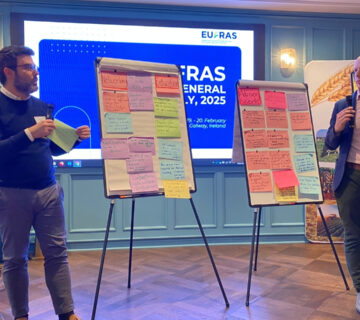
Rurinnova provided tailored specialist advisory services combining economic analysis, regulatory guidance and on-farm visits. The work also included the transfer of management tools and information materials, adopting a participatory approach to facilitate their understanding and practical use.
Results.
- 70 farm businesses involved through a 24-hour pathway per farm.
- Increased capacity to make more informed choices through cost/benefit assessments and a more preventive approach to risk management (including climate-related risks).
- Consolidated use of key indicators to synthesise farm information and support continuous improvement.
Lessons learned and replicability.
- Advisory services are more effective when value-chain opportunities are assessed alongside economic data, management tools and operational constraints.
Continuous dialogue and active learning facilitate the transfer of methods and the direct use of management tools.
Regular data updates and indicator monitoring help guide decisions and plan gradual improvements over time.